News Summary
Generated by OK AI. Editorially reviewed.
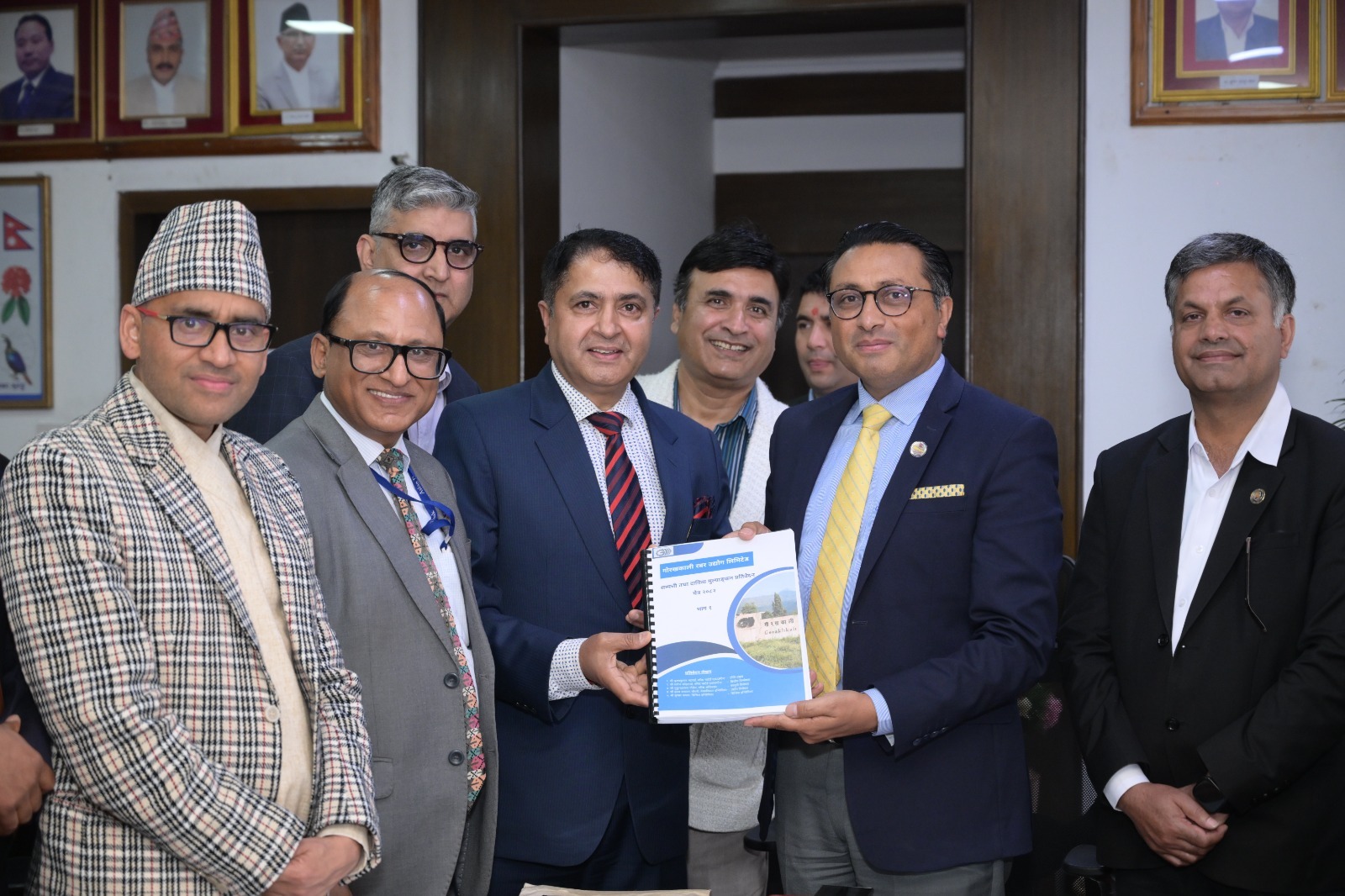
- The Ministry of Finance has started the asset and liability assessment process of seven sick public institutions and the DDA report of Gorakhkali Rubber Industry. Swarnim Wag has presented it.
- The report suggested three options to restructure and operate the Gorakhkali rubber industry, the main ones being replacement of the plant and operation of the industry through new investors.
- The report shows that Gorakhkali Rubber Industry has an annual production capacity of 80,000 truck tires and 40,000 non-truck tires and the market potential of tires in Nepal is high.
18 Chait, Kathmandu. There is a possibility that the public institution Gorakhkali Rubber Industry, which is closed, can be re-operated.
The Ministry of Finance had started the process of asset and liability assessment (DDA) of seven sick and closed public institutions since last year.
At the same time, through the Asian Development Bank (ADB), the DDA of Gorakhkali Rubber Industry was prepared and Finance Minister Dr. Swarnim Wag has presented it.
The report shows that it is possible to re-manufacture tires from the existing plant in Gorakhkali Rubber Industry.
Finance Ministry Spokesperson Tank Prasad Pandey informed that ADB submitted the report to the Finance Minister on Tuesday. Gorakhkali rubber industry has been closed for a decade.
In the report prepared under the leadership of Chartered Accountant Krishna Bhattarai, three options have been suggested in the operational modality. According to a high source in the Ministry of Finance, in the report, it has been suggested that the Gorakhkali rubber industry should be restructured and operated.
Debt payment or restructuring of the industry or converting the debt into shares, with the participation of private or public organizations, increasing capital through new investors (indigenous, foreign or strategic partners) and replacing the existing plant with a modern radial technology plant is seen to be suitable for operating the industry.
The report has submitted an option for the operation of the industry in partnership with the private sector or strategic foreign investors, making an action plan to replace the old plant and machinery with new technology, starting production immediately from the current plant.
The second option is that it is challenging to monetize the entire industry as the plant machinery is old and the technology is obsolete as large capital is required to run the industry. It is suggested that the income can be monetized by renting the land and buildings that are in the name of the industry but are not in use.
An option has been suggested to partially monetize and restructure the assets of the industry and give the industry an operating contract with investment.
As a third option, it has been suggested to restructure the industry and re-operate or if it is not possible to implement the option given in the operating agreement with investment, the company should be liquidated by selling the assets of the industry.
When going to the option of selling the assets, it is suggested to sell all the physical and intellectual assets of the industry and divide the liabilities and liquidate the company. On the basis of the DDA of the industry, it is seen that the entire liability will be changed when the existing assets are sold.
Gorakhkali Tire Industry is located in the former Deurali rural municipality of Gorkha district (currently Gorkha municipality-13 Majuwa, Deurali). This industry, which was established with the investment of Salt Trading, Nepal Oil Corporation and ADB, was restructured in the financial year 2055/56.
At present, the government of Nepal is the largest shareholder with preferential shares in the industry, while public institutions such as Salt Trading, Oil Corporation, Nepal Bank Limited, National Commercial Bank, National Insurance Institute and other public institutions have share investments. Nepal Government, Nepal Bank and National Commercial Bank have loan investments in the industry.
The annual production capacity of the industry is 80,000 truck tires and 40,000 non-truck tires. The industry started its commercial production in the year 2049 and was producing tires, tubes, flaps and other rubber products according to the demand of the domestic market from the initial stage.
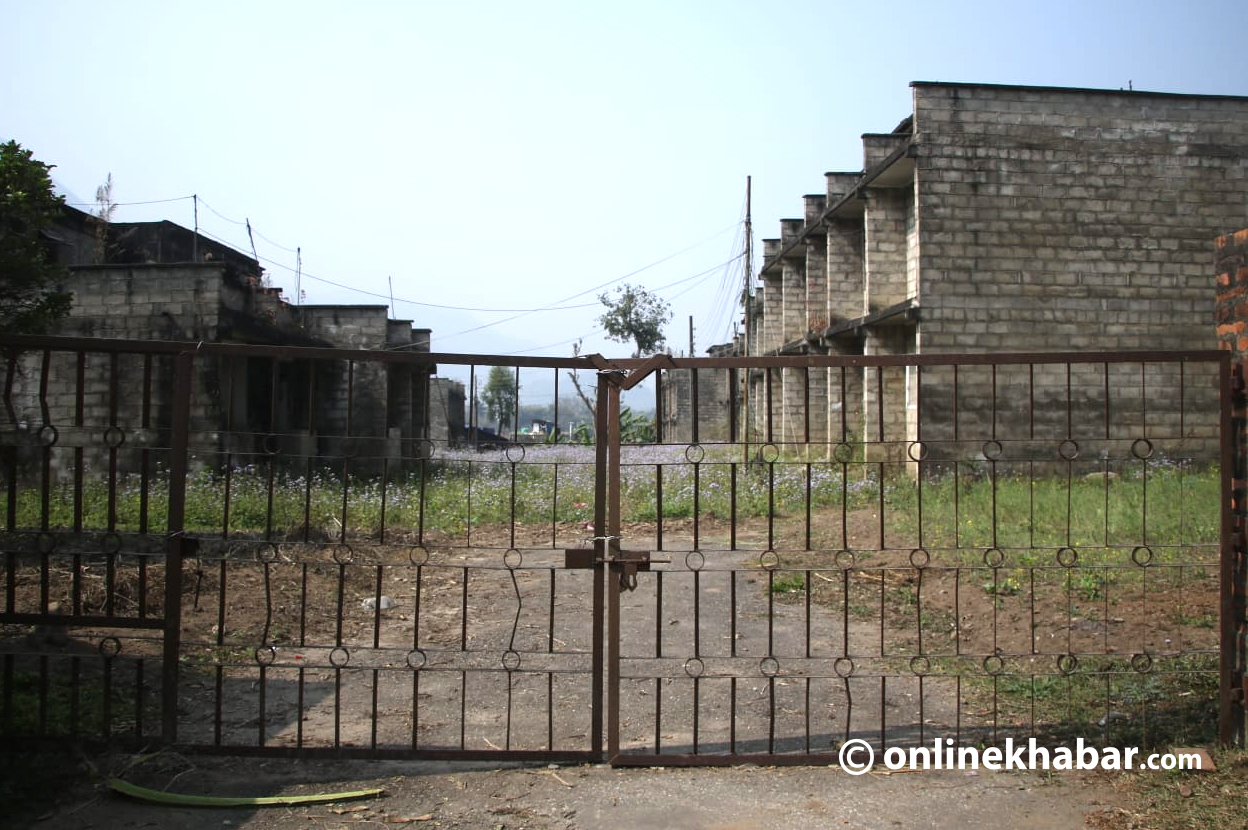
Although there is a sufficient demand for tires and tubes in the market, it is seen that the industry has never been able to produce at full capacity. Therefore, it seems that the industry has been operating at a loss since its inception, production costs are increasing and cash flow is not sufficient. After 23 years of starting production, the industry has been completely closed since June 2072.
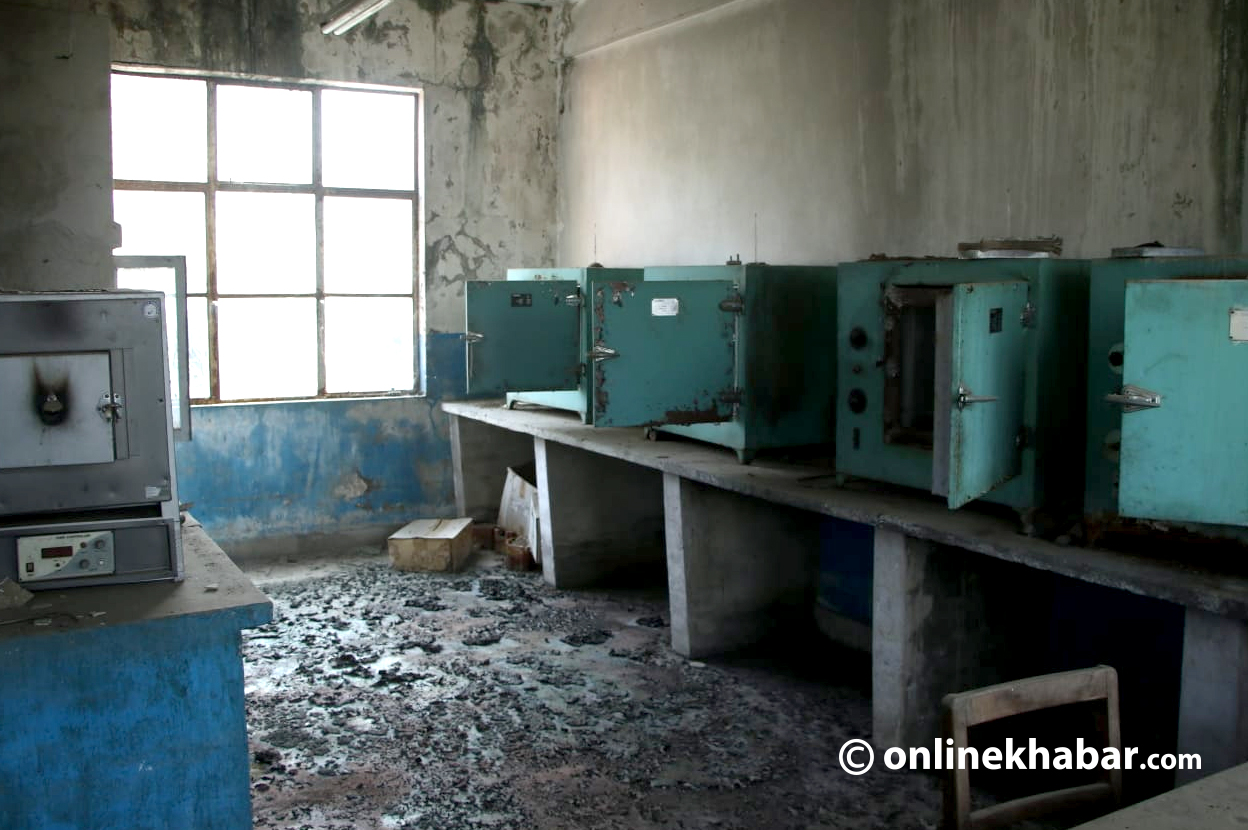
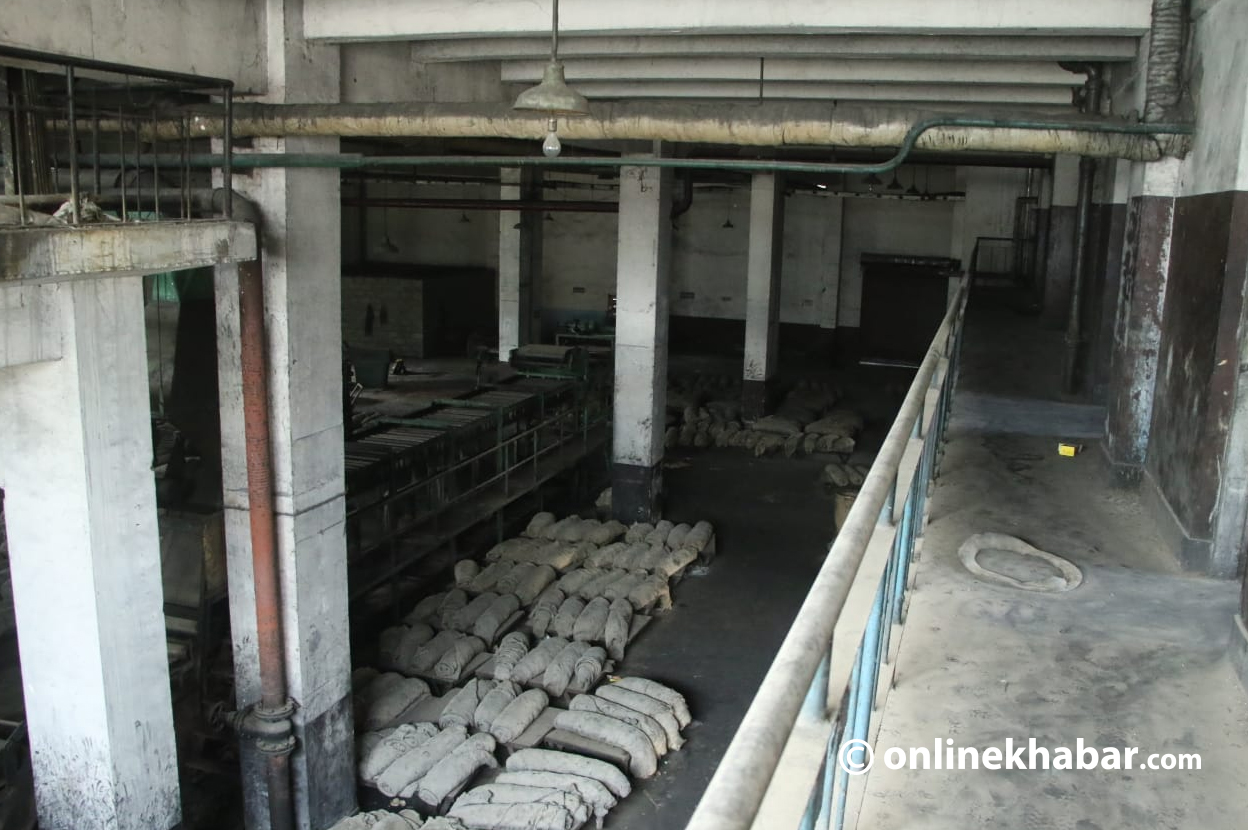
Now the industry is in a state of collapse
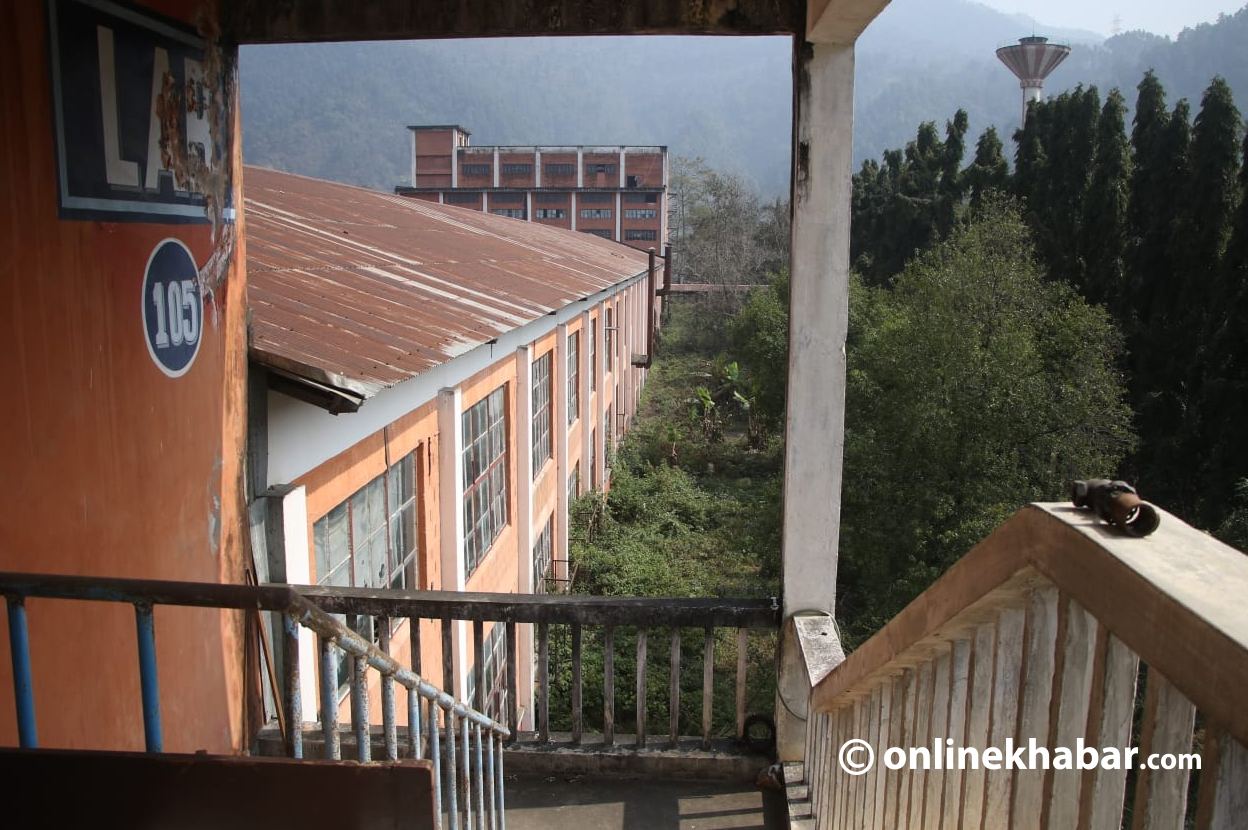
It has been concluded from the DDA of Gorakhkali rubber industry that the industry is in a serious financial crisis and technically broke.
According to the study, the net worth of the industry is negative by 4.21 billion. The conclusion of the study is that due to the high increase in the market value of immovable property, although there is some improvement in the adjusted valuation, the adjusted net liability due to debt and interest liability will be negative by 56 crores.
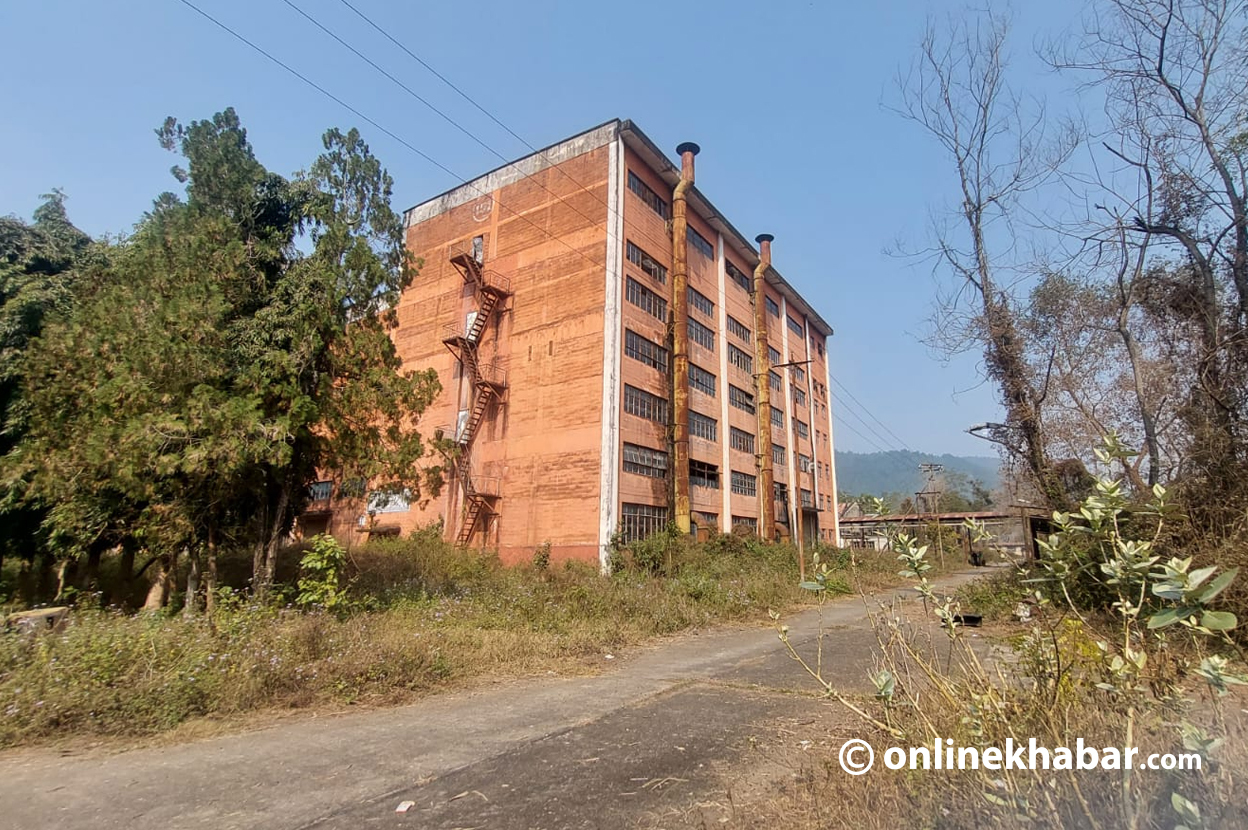
According to the report, the structure of most of the buildings was found to be strong. It seems that some buildings need to be tested in the laboratory. The buildings are in a condition where they can be repaired and put into use.
According to the current prevailing prices, the adjusted value of fixed assets is estimated to be around 3 billion 77 crores. The condition of current assets in the industry is pathetic. Therefore, it has been found that the salable value of such items has decreased by 47 percent.
It has been seen from the study that there are more than 2,500 khayar trees in the industrial premises and the industry can earn around 620 million from its sale.
According to the study report, the brand value of Gorakhkali rubber industry has been determined as 222.6 million according to the reconstruction or replacement cost method and the royalty discount method.
The adjusted total liability of the industry is 4.43 billion. A large part of it seems to be taken from Nepal government and banks. In which interest has the biggest impact.
No employee liability, zero production and sales costs
This industry has not been operational for 10 years. Therefore, production and selling costs are zero. It is seen that the sales income is also zero. Employees have been given mandatory leave and the industry is closed, so there is no employee expense.
For the protection of the industry, the salaries and allowances of the contractual employees and minor office expenses are as administrative expenses. Although these expenses are covered by the interest income received on fixed deposits, it seems that it is not enough.
The industry has been incurring huge interest expenses on long-term and short-term loans received from banks and financial institutions and the Government of Nepal. The study shows that expenses are recorded in the profit and loss account.
A large part of the fixed assets are buildings, plant and machinery and land. The book value of equipment, vehicles and furniture is low. The plant and machinery are of old technology which is becoming obsolete. It is seen that the cost of operation and maintenance of such plants and machinery is high.
According to the study, it has been found that the prepared goods produced 10 years ago are still stored in the warehouse. Inventory (semi-finished, raw materials and spare parts) seems to be significant. Since it has been in the store for 10 years in a disorderly manner, its fair trade value seems to be low.
The Government of Nepal directly owns 38.63 percent of the ordinary shares in the industry. The government has an easy majority share of 51.88 percent, including indirectly through entities wholly owned by the government.
26.69 percent of the common shares of the institutions partially owned by the government and 21.43 percent owned by the general shareholders. Nepal government is the only investment in the preferential shares.
What is the market potential?
According to the report, there is a sufficient market for the industry in Nepal. The conclusion of the study is that there is a large market potential for tires in the country itself due to the high growth in vehicles, expansion of construction work and agricultural modernization and mechanization.
There is also a possibility of export to neighboring countries including India, China, Pakistan, Bangladesh, Sri Lanka. Currently, the demand for tires produced by radial technology is high in the market.
Tires produced by Gorakhkali industry are based on ‘BIAS’ technology. Analyzing the market scenario, it seems that the industry should introduce modern technology.
What is the potential of raw materials?
The study also mentions the condition of raw materials. The main raw material for tire production is natural rubber. The annual production of raw rubber in Nepal is currently around 1,200 tons. It only meets about 10 percent of the market demand.
It is estimated that the annual demand of raw rubber in the market of Nepal is more than 10 thousand tons. Thousands of tonnes of raw rubber are required to operate the industry at full capacity. For the time being, it seems that this demand has to be met through imports.
However, there is a high potential for rubber cultivation in Nepal. In Jhapa’s Mechinagar, Birtamod, Bhadrapur, Arjundhara, Kankai and Damak Municipalities and Buddhashanti, Kachankawal and Bahardashi Rural Municipality, it is possible to cultivate rubber on more than 15,000 bighas of land within five years.
In the report, citing various study reports, it is possible to cultivate rubber on more than 80,000 to 120,000 bigha of land within 10 years in the barren, riverside and forest areas in the districts of the Terai and Central Hills.
There are currently about six million vehicles registered in Nepal. Out of which four wheeler vehicles are about 1.2 million. The annual average growth of overall vehicles is around 15 percent.
In the year 2081/82, about 9 lakh tires of buses, trucks and other four-wheeled vehicles were imported. On the basis of numbers, the tire market of Nepal is projected to grow by about 8 percent annually and by 10 percent on the basis of prices. According to this data, the market potential of tires in Nepal is high.