News Summary
Generated by OK AI. Editorially reviewed.
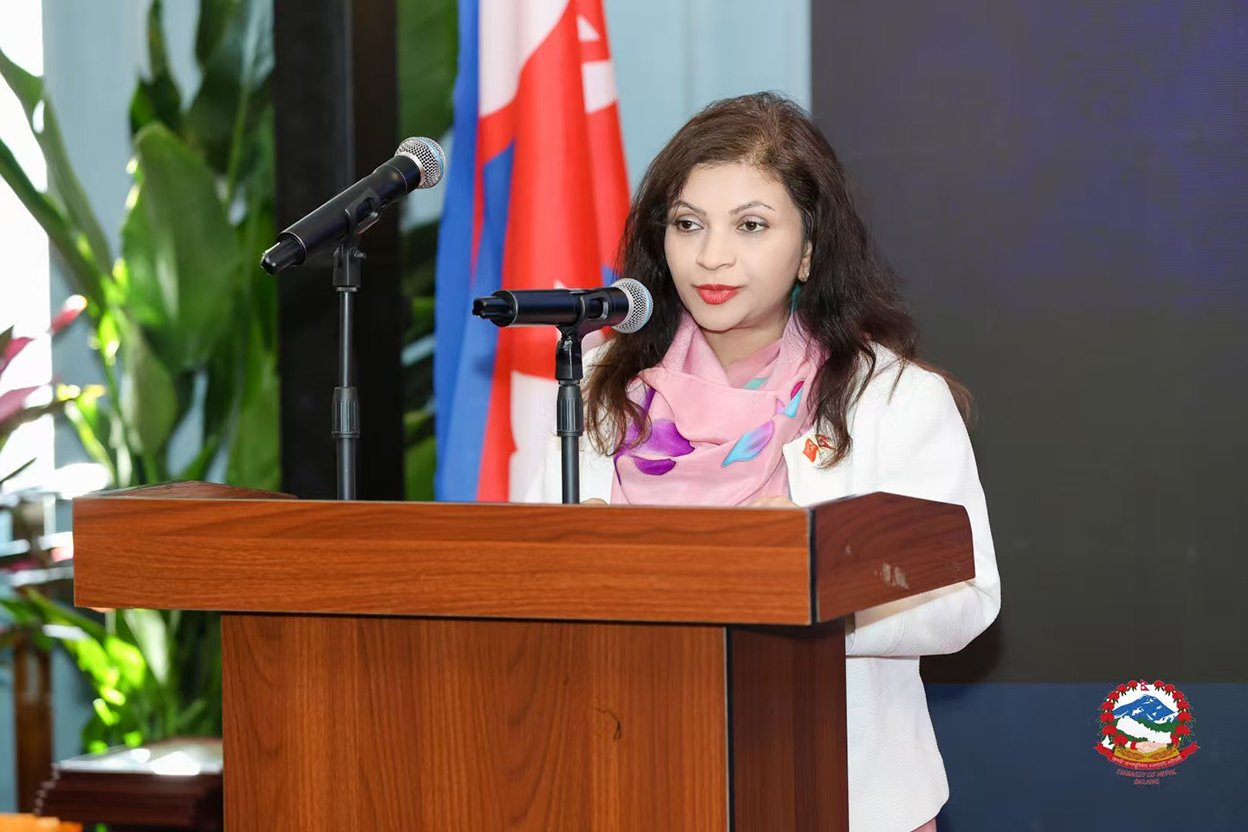
- Roshan Khanal is the first woman to lead the Nepali Embassy in China as Acting Ambassador.
- After her experience in private bank, Khanal joined government service and achieved success in foreign service in 2067.
- Khanal, who has worked in various challenging situations in Israel and Britain, is trying to strengthen Nepal-China relations in China.
Beijing. The country got a woman prime minister this year. The news of that unexpected result came to Beijing.
Now the woman Prime Minister Sushila Karki has left after handing over the responsibility to the new Prime Minister of the country. But as a result of the Genji movement, Roshan Khanal is handling the responsibility of acting ambassador of the embassy after Krishna Prasad Oli, Nepal’s ambassador to China, also returned, like some other countries.
The presence of women in Nepal’s diplomatic sector is still limited. But Khanal is a strong personality who has moved forward from within this limited circle with the strength of her ability, hard work and confidence.
Khanal’s journey as Acting Ambassador at the Nepali Embassy in China is an inspiring story that started from a simple family and reached the international diplomatic platform.
Joint Secretary Roshan Khanal, who has been the Acting Ambassador to the UK twice before, is now the Acting Ambassador to China. In the 70-year history of Nepal-China relations, she is the first female leader of the Nepali Embassy in China.
Born in Palpa, Khanal’s childhood was normal. Starting her primary education from there, she studied in Palpa till class eight. Then his educational journey continued to Kathmandu via Bhairahawa. She completed her BBA from Bhairahawa and her Masters from Kathmandu.
‘My background is commerce. From the beginning, there was no plan to go into government service’, she said.
His career started with a private bank. But a reality he saw while working there did not allow him to continue working in a private organization. The treatment of women in particular affected him deeply.
“While working in a private bank, I saw that women were asked to quit their jobs after they got pregnant instead of giving them leave.” It made me think a lot’, she recalls.
This experience turned him towards government service. She says, ‘Women need secure and stable jobs. So I decided to join the government service.’
Entering the Foreign Service was for him the result of chance and courage rather than premeditation. She passed the public service exam for the first time. she says,
‘I didn’t prepare much before. But I took the test once and the name came out the first time.’
After entering the Foreign Service in 2067, the first challenge he felt was the lack of guidance within the system. “At that time, it was not customary for anyone to teach anything,” she says.
His first posting was in the Passport Department. At that time the service was under great pressure. There were long queues early in the morning, crowds of customers and limited resources to work with.
‘By the time I reached the office at 10 o’clock, the line would have reached far. Seeing that, one could feel how much suffering the citizens have suffered’, she remembers.
“We can take a lot from China, but we haven’t been able to use it fully,” she says, “We have to make it clear what our interests are.” It’s not just about looking for opportunities from outside without doing your homework.’
At that time she was also pregnant. Balancing both personal and professional responsibilities was not easy.
‘I started working at a very difficult time. There was no training, she had to sit directly in charge’, she says.
After 2 years, his first overseas posting was in Israel. When he arrived there in 2012, it was a state of war. Even when I turned on the TV, there was war news. The family also said ‘don’t go’, she says.
But she prioritized duty. ‘I thought that I had to go when I had to work’, she said.
His stay in Israel became the most important experience of his life. There she saw the life of Nepali workers closely. Especially the situation of women workers was very sensitive. ‘More than 90 percent were women. “Maybe because they have to work 24 hours a day, they are away from their families, so there were a lot of mental problems,” she says.
In Israel, the Nepalese faced more trouble than the Israelis themselves. Depression, family pressure, financial fraud and legal complications were making Nepalis’ days difficult. “Nepali would cheat Nepali, use interest, and come to the embassy when there was a problem,” she says.
In some cases there were serious incidents. “We also had to deal with cases like women trying to commit suicide, relationship problems,” she said.
The state of war in Israel in 2012 was the same as it is now. ‘Everybody panics when there is a war. At that time, it was our responsibility to counsel and coordinate the Nepalese,” she says.
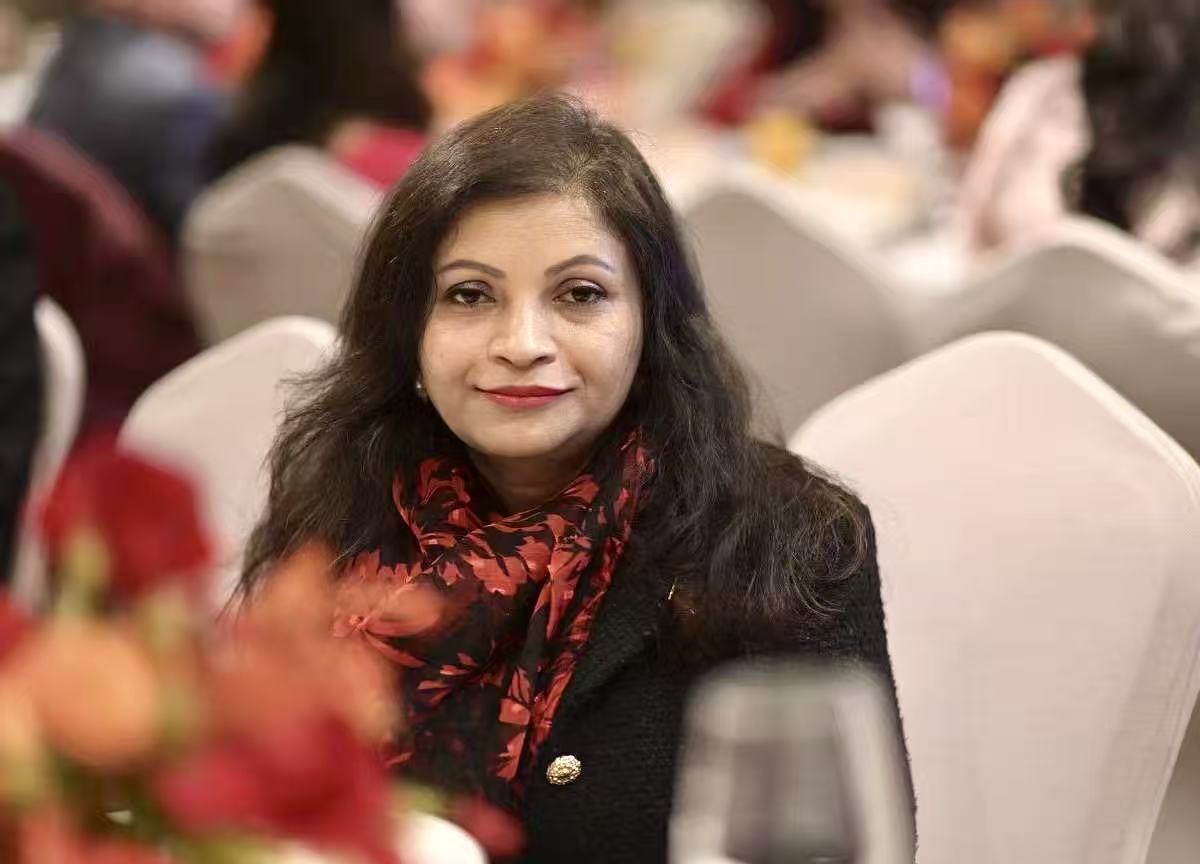
Returning to Nepal after four years, she held various responsibilities and again came to UK as a foreign posting.
The London experience was different. “In Israel there were a lot of workers, but in London it was a mixed society of families, students, the Gurkha community,” she says.
The issue of equal pension for Gurkha soldiers was a major challenge there. ‘They have been demanding for years. It was a very sensitive situation when there were protests and hunger strikes’, she remembers.
Similarly, divisions within the NRN organization also complicated the task.
‘NRN was very divided’ Roshan remembers, ‘it was not easy to deal with it.’
Nepal’s political instability brought more challenges to diplomatic work. ‘When the ambassadors change frequently, it is difficult to maintain continuity’, she says, ‘when the ambassadors also change along with the government, the commitment made by one may not be accepted by the other.’
In this situation, she took on important responsibilities as Acting Ambassador.
Even in the absence of an ambassador, we had to handle big events. That was very challenging’, she says. This challenge further enhanced his leadership skills. While in the UK, she served as Acting Ambassador twice.
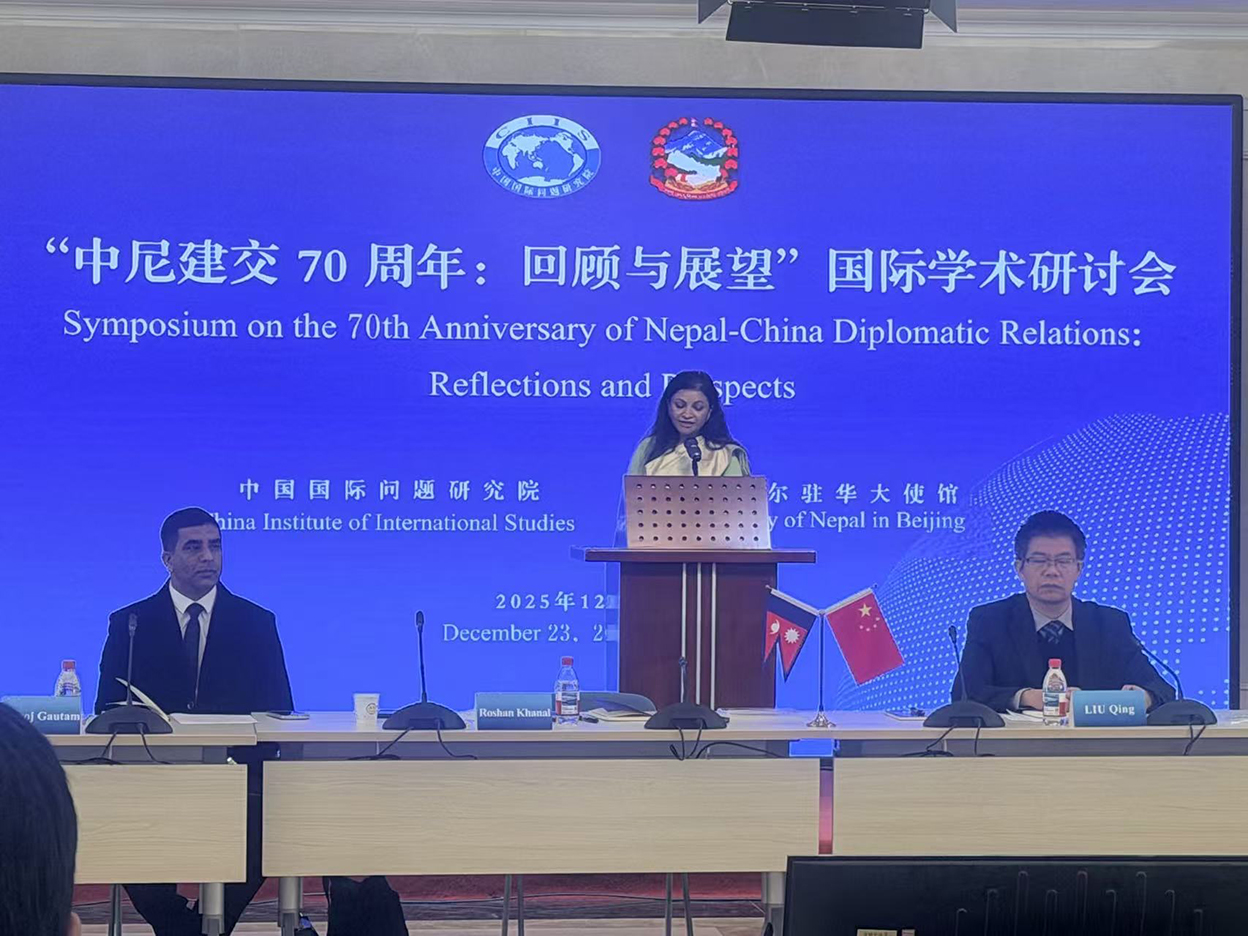
She is currently serving as acting ambassador to China. China is an important partner for Nepal, but there are many challenges.
“We can take a lot from China, but we haven’t been able to use it fully,” she says, “We have to make it clear what our interests are.” It’s not just about looking for opportunities from outside without doing your homework.’
She says that language and cultural distance are also challenges.
‘It is difficult to understand the Chinese language and system, it also affects access’, Khanal says, ‘There is great potential in areas such as investment, trade and technology.’
Roshan Khanal’s journey is not only a personal achievement but also a sign of social change. She has full faith in the abilities of women. He believes that women should be promoted by giving them opportunities, not by pitying them.
Khanal himself also realizes that women have to work harder to prove themselves. ‘We should not make excuses, we should show by working’ she says, ‘We have a separate challenge to prove our ability.’
Khanal himself has the experience of having to take difficult decisions at times to maintain a balance between personal and professional responsibilities in his life. ‘She has to go to work even after leaving a small child. Sometimes it feels bad when I remember it now’, she says.
But he believes that decision was necessary. “At that time, it was important to break the idea that women could not work”, she says.