News Summary
Generated by OK AI. Editorially reviewed.
- Due to the crisis in CPN-UML, Ram Bahadur Thapa Badal has become the executive chairman and leader of the parliamentary party.
- After the arrest of former Prime Minister KP Sharma Oli, Thapa was made acting chairman and he has been elected as the leader of the parliamentary party.
- Young Suhang Nemwang was pushed back in the selection of the leader of the parliamentary party and this has created dissatisfaction within the UML.
18 Chait, Kathmandu. Ram Bahadur Thapa Badal got an unexpected success due to the political changes that came after the Genji movement.
After the dissolution of the then Nepali Communist Party (NCP), within 5 years of deciding to remain in the CPN-UML, he became the executive chairman of the party and the leader of the parliamentary party. A series of crises within the UML helped him achieve this level of success so quickly.
Had UML’s historic defeat in the last election not happened and party president KP Sharma Oli had not been arrested by the government, it was certain that he would have been limited to the role of vice president.
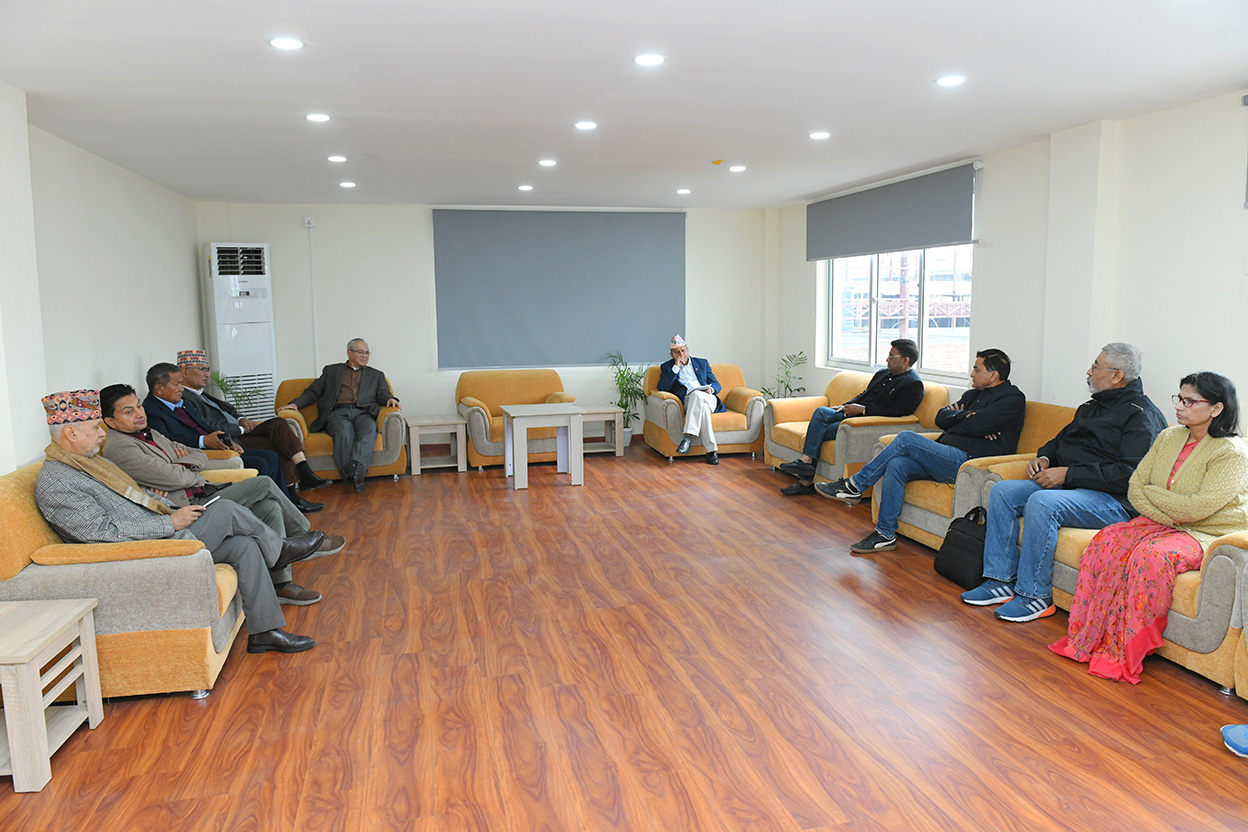
However, former Prime Minister Oli was arrested last Saturday morning (March 14) for implementing the recommendations of the Karki Commission. “After he was arrested, the president gave him (Thapa) executive order on the same day,” UML secretary Mahesh Basnet said.
However, before Oli was arrested, the secretariat meeting under the leadership of Thapa had already started. After the election results of February 21, a secretariat meeting was held on March 1 under the chairmanship of Thapa. As Oli was bereaved, Thapa got the opportunity to preside over the meeting.
However, Oli did not get a chance to hold a meeting under normal circumstances. After Oli was arrested, another secretariat meeting was held yesterday (March 17) under the chairmanship of Thapa. The meeting decided to elect the leader of the parliamentary party.
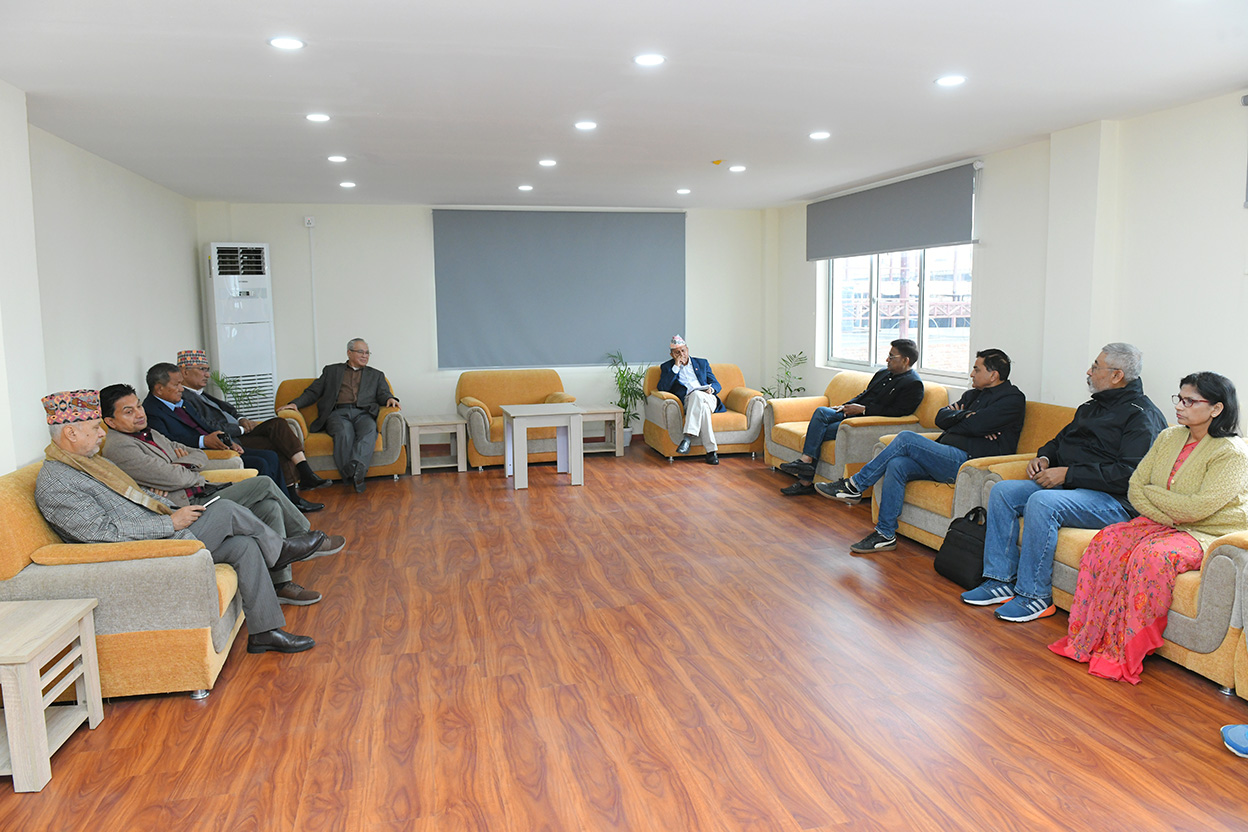
The UML had two options to elect the leader of the party – Badal, who became a member of Parliament by sitting on the proportional side, would become the leader himself or, understanding the changed political situation, put another youth forward.
Badal kept himself in the center and did not listen to the voices of change inside and outside the party. If he had listened to the voice of change, the 36-year-old young man Suhang Nemwang would have become the leader of the UML parliamentary party.
Suhang also presented his aspirations to become the leader of the party in the parliamentary party meeting. According to sources, Suhang was convinced by Rajendra Rai and Arjun Karki that he would sit as a pro-proposer.
Some other proportional MPs also said that they would support. However, Rai and Karki were prepared with a plan to send a good message when the MPs who directly won were the supporters and proponents.
According to this plan, Suhang, who reached Chaisal, had to face an unexpected situation. ‘When he reached Chasal, it became a situation where General Secretary Shankar Pokharel would become the boss. When Suhang was not ready to back down, the supporters and proponents were put under pressure,’ says the source.
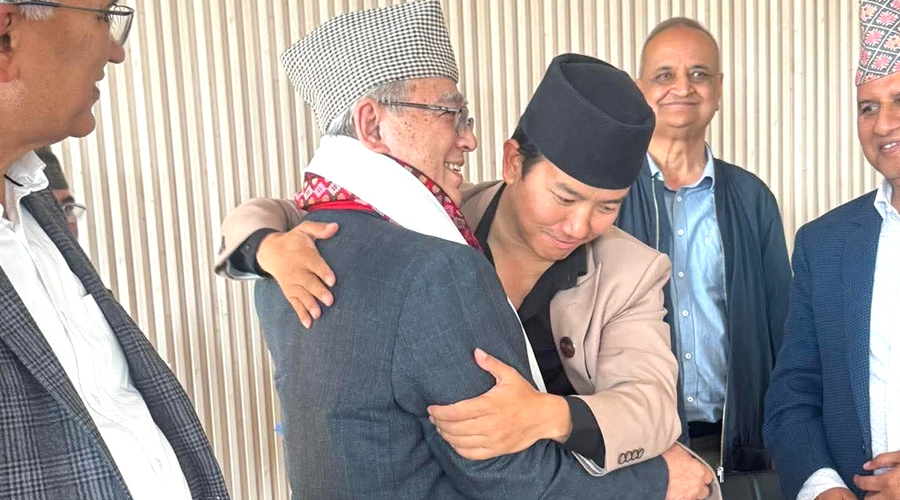
According to those sources, Vice President Bishnu Prasad Paudel also supported Shankar’s plan. “When Bishnu Paudel was in a position to support Shankar Pokharel’s lobbying, Suhang did not even get supporters and proponents,” he says.
Dissatisfaction has been seen within the UML with the decision taken regarding the selection of the leader of the parliamentary party. Deputy Secretary General Yogesh Bhattarai has publicly objected to the fact that by putting pressure on the MPs, a situation has been created where Suhang cannot get supporters and proponents. From youth central members to local workers, anger has also been seen.
That meeting that changed course
Thapa, who got the opportunity to become the executive chairman due to the arrest of KP Oli, had laid the foundation for becoming the leader of the parliamentary party himself.
According to the leaders, in the secretariat meeting on December 13, Badal himself revolted and sat on the closed list on the proportional side. Oli’s signal was that Thapa should also become a direct candidate.
However, the public opinion in Chitwan was not in favor of the UML and Thapa, who did not believe that he would win elsewhere, wanted to sit on the proportional side and become an MP. However, contrary to Thapa’s wish, Oli presented the closed list on the proportional side in the secretariat meeting on 13th December.
Thapa strongly objected after 110 names were read out with names like Guru Baral number one for Khas Arya men, Pushpa Kandel number two, Padya Aryal number one for Khas Arya women, Jitu Gautam Darji number one for Dalit men.
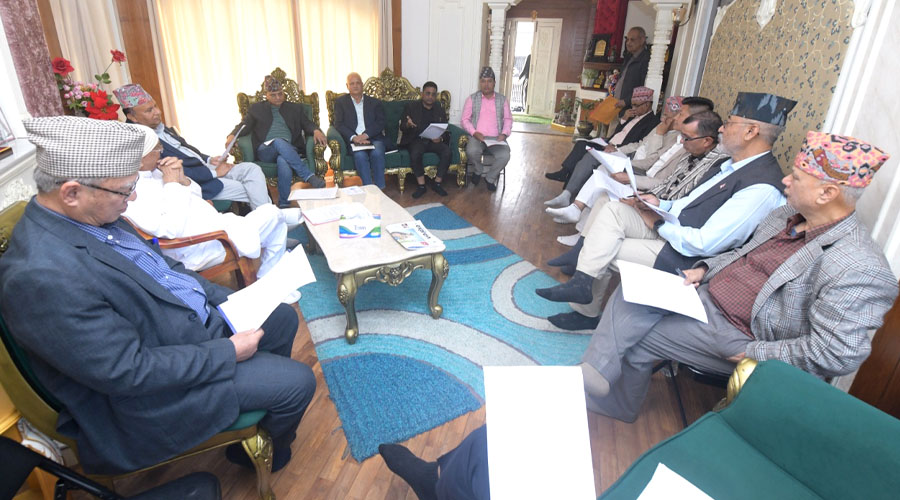
‘Is this a list?’ Thapa was angry. According to an official who participated in that meeting, Thapa argued that the list presented against the spirit of proportional inclusion was not supported, and was not even worthy of hearing.
However, the scene of the meeting changed the next day. “Oli corrected the list by putting Badal’s name as number one among tribal men, after this Comrade Badal became silent,” says the official. After Thapa’s displeasure was confirmed to be a member of Parliament, Oli hired the officials including Vice President Gokarn Bista, Deputy Secretary General Yogesh Bhattarai. Importantly, Thapa’s support for Oli changed the balance of power within the UML. And now Thapa has come to the position of becoming the head of UML’s party and parliamentary front.
Thapa who is choosing profit
Thapa, one of the main commanders of the Maoist armed rebellion that lasted for 10 years against the parliamentary politics, did not prepare the basis for him to become the executive leadership of the UML.
After the constitution was not promulgated by the Constituent Assembly in 2064, Thapa, who defected to the Maoists, was given the opportunity of parliamentary politics and power by his superior Pushpa Kamal Dahal Prachanda. Prachanda made Thapa the Minister of Home Affairs after the general election of 2074. Although the election of the House of Representatives was not held, he was elected as a member of the National Assembly.
However, the unity between UML and Maoists after the 2074 election did not last even three years. When Oli, as the Prime Minister, decided to dissolve the House of Representatives, the foundation was prepared for the dissolution of the unity of the then Nepal Communist Party (NCP).
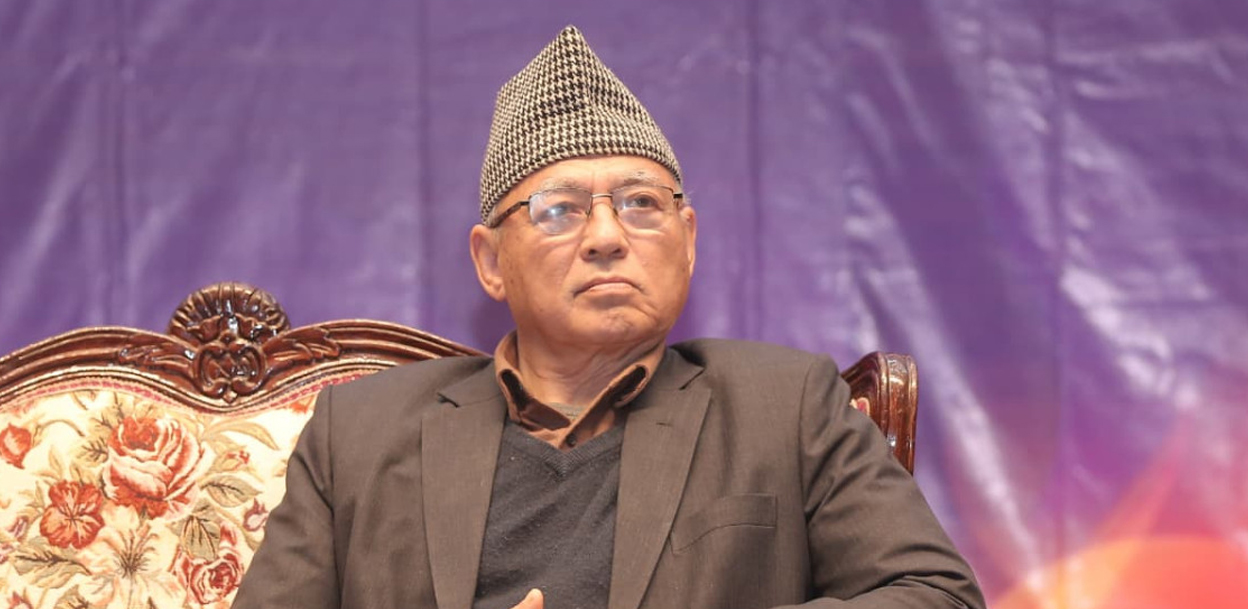
When the party united, Thapa automatically became a Maoist leader. However, Thapa, like other Maoist leaders, did not stand for the restoration of the House of Representatives by resigning from the ministerial post. UML was formed by supporting Oli.
Although he lost his position as a member of the National Assembly as soon as he joined the UML, he also lost his position as Home Minister. He was not a candidate in the 2079 election. In Oli’s sole running UML, he became the vice president from the tenth national convention of 078. He was re-elected as vice president from the eleventh convention of last November.
Since Thapa was a senior leader than Bishnu Paudel when he was in the CPN, their order of precedence was decided accordingly in the UML. Which prepared the equation for Thapa to become the executive chairman and the leader of the parliamentary party.